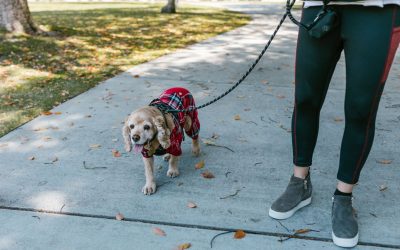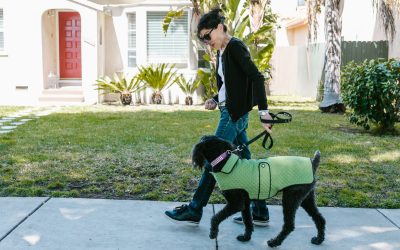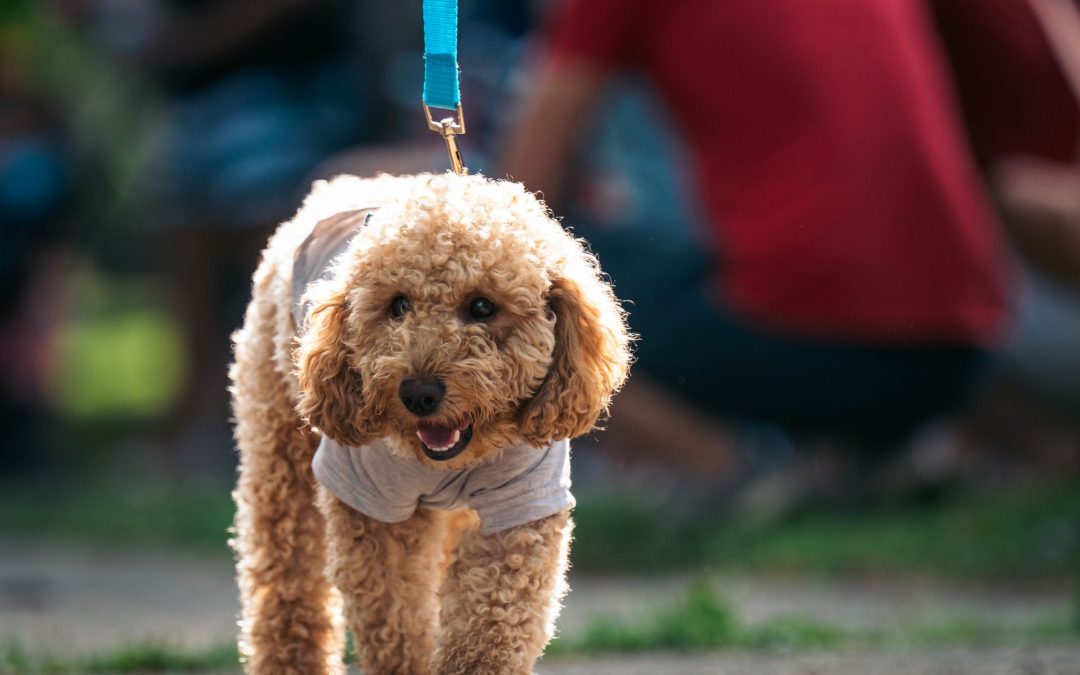
This is one of the most Googled questions in dog ownership, and the honest answer is: it depends based on your dog’s age, breed, and health. What follows is a practical breakdown of what the research and veterinary guidance actually say.
Why the Question Is Harder to Answer Than It Looks
There’s a common piece of advice that dogs need at least 30 minutes of exercise per day. That figure comes largely from US Department of Agriculture guidelines, and as a study published in the NIH’s journal database points out, even those recommendations are based mainly on anecdotal evidence and expert opinion rather than controlled research. The reality is that a 30-minute daily walk is probably too little for a young Border Collie and potentially too much for a 12-year-old Basset Hound with arthritis!
Puppies: Less Is More
This surprises a lot of new dog owners, but puppies actually need shorter, more controlled walks than adult dogs — not longer ones. The reason is growth plates. Until a puppy’s bones are fully developed, repetitive high-impact exercise can cause real joint damage that compounds over time.
The guideline most vets and canine health organizations use: five minutes of structured walking per month of age, up to twice daily. According to Dr. Liza Cahn, veterinarian at Embrace Pet Insurance, that means structured walks should stay short because “repetitive, forced exercise can stress developing joints.” A three-month-old puppy, by that formula, is looking at two 15-minute walks per day — not an hour-long romp around the neighborhood or other strenuous efforts to “burn energy.” Try brain games, instead, in addition to physical exercise.
Large and giant breeds need even more caution. Their growth plates close more slowly than smaller breeds, often not until 18 to 24 months. For breeds like Labradors, Golden Retrievers, and German Shepherds — all common in Durham households — it’s worth a conversation with your vet before ramping up exercise intensity, particularly if you’re thinking about running or hiking with a young dog.
Adult Dogs: Breed Type Matters More Than Most People Realize
Most healthy adult dogs do well with 30 minutes to two hours of physical activity per day, but that range is wide for a reason. PetMD notes that breed isn’t everything — individual temperament plays a real role — but it’s a useful starting point.
High-energy breeds — Border Collies, Australian Shepherds, Huskies, Vizslas, Weimaraners, Jack Russell Terriers — were bred for sustained physical work. For these dogs, two walks a day is a floor, not a ceiling, and walks alone often aren’t enough. Without adequate physical and mental outlet, high-energy breeds tend to redirect that energy into behaviors owners find less charming: chewing, barking, digging, leash reactivity. Tractive’s exercise research pegs hunting breeds at a minimum of 1.5 hours of daily exercise, with herding and working breeds similarly high.
Moderate-energy breeds — Labrador Retrievers, Beagles, Boxers, Standard Poodles — generally thrive with two solid 30-to-45-minute walks daily, plus some playtime or mental enrichment. Labs in particular are a good example of a breed that looks moderate-energy as puppies but develops real exercise requirements as adults that owners sometimes underestimate.
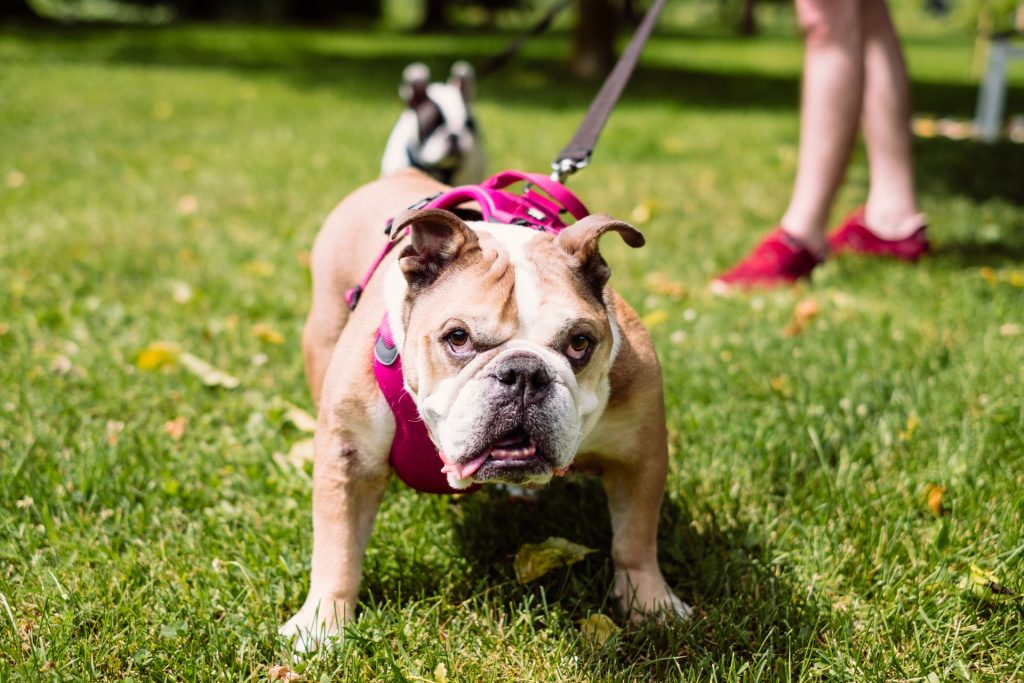
Lower-energy breeds — Bulldogs, Basset Hounds, Shih Tzus, Cavalier King Charles Spaniels — are typically well-served by two shorter walks of 20 to 30 minutes. For flat-faced (brachycephalic) breeds like Bulldogs and Pugs, PetMD recommends particular caution around heat and exertion, since their airway anatomy makes temperature regulation harder.
One thing worth naming directly: a fenced backyard does not replace a walk. Letting a dog into the yard satisfies bathroom needs but rarely produces the level of physical exertion or mental stimulation that a structured walk does. We’ve written about this in more detail here if you want the full breakdown.
Senior Dogs: Keep Moving, But Pay Attention
Older dogs still need regular exercise — in many cases, consistent gentle movement is one of the best things you can do for a senior dog’s joint health and cognitive function. The key shift is in intensity and duration rather than frequency.
According to PetMD, senior dogs may have arthritis, muscle atrophy, or conditions like hypothyroidism or diabetes that reduce stamina, even when they seem mentally eager to go. Shorter, more frequent walks tend to work better than one long outing. Softer surfaces — grass, packed dirt trails — are easier on aging joints than pavement. And watching for signs of fatigue during the walk matters more than hitting a specific time target.
Durham has some good options for gentler terrain: Eno River State Park has a mix of trail difficulty levels, and West Point on the Eno offers flat, shaded paths that work well for older dogs, particularly in summer heat.
The Midday Walk Problem
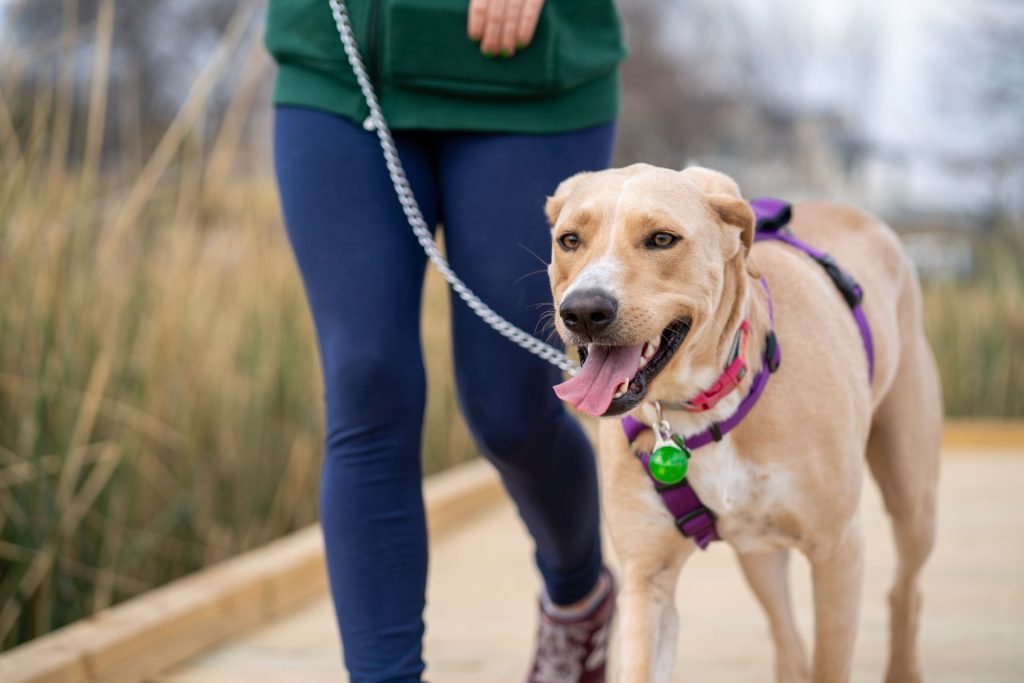
For most working dog owners, the math doesn’t fully add up. A morning walk before work and an evening walk after covers the bookends of the day — but for many dogs, particularly high-energy breeds and younger adults, that leaves eight or nine hours in the middle with no outlet.
Research on dog behavior consistently shows that mental stimulation and physical activity during the day reduces stress-related behavior and helps dogs settle more easily in the evening. A midday walk breaks up that stretch, provides a bathroom opportunity that most dogs genuinely need by midday, and gives dogs the sniffing and exploring time that ManyPets’ review of the research identifies as important for relaxation and behavioral balance. It doesn’t need to be long — 20 to 30 minutes is enough for most dogs to make a real difference in how they feel by the time you get home.
The Honest Bottom Line
Most dogs need at least two walks a day. Many need more, or longer. The specific answer for your dog depends on breed, age, health, and what the rest of their day looks like. If you’re unsure whether your current routine is meeting your dog’s needs, your vet is the best first call — and paying attention to your dog’s behavior at home is often the most useful data you have. A dog that’s restless in the evenings, destructive during the day, or difficult to settle is often telling you something about their exercise needs.
If your weekday schedule makes consistent midday walks hard to manage, Bull City Pet Care offers professional dog walking throughout Durham and can build a routine around your dog’s specific needs. Take a look at our service area or get in touch to talk through what would work best.
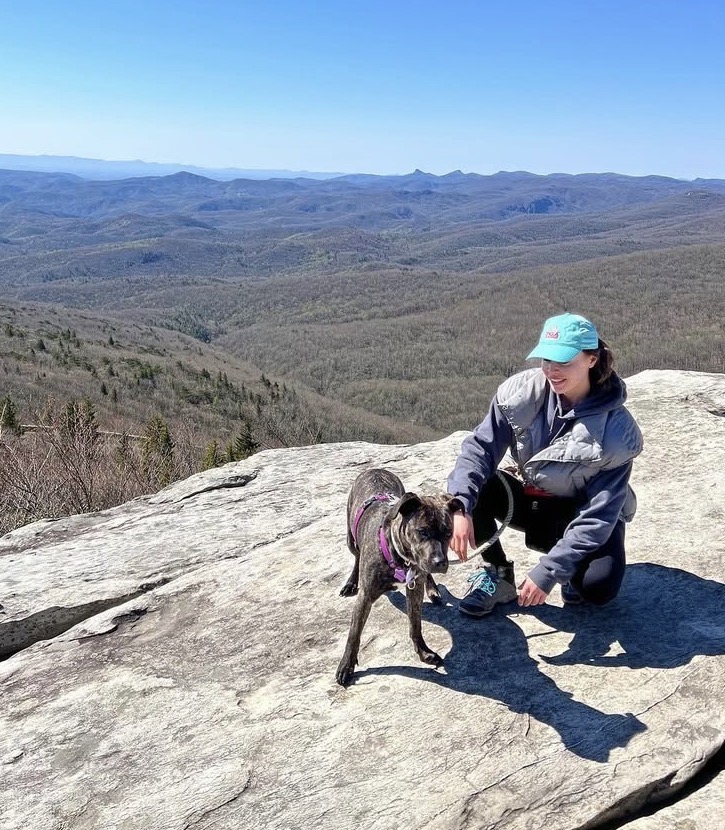
Annika Hugosson is a writer and marketing specialist with professional experience writing across various industries including sports, tattooing, veterinary medicine, and animal welfare. She has worked in soccer media, animal sheltering, and emergency veterinary medicine and presently manages a Durham tattoo shop, Ethereal Tattoo Gallery. Annika holds a Master of Science in anthrozoology (human–animal studies) and has completed additional graduate-level research focused on the human–animal bond. Her master’s research examined hyenas and the ways their portrayal in popular and scientific media shapes public perception and conservation outcomes. She has been published in academic journals and has presented at conferences on topics including pit bulls and gender, the usage of snakes’ skins in fashion, animal ethics in Harry Potter, and related issues at the intersection of culture, animals, and society. Outside of her professional work, Annika is interested in R+ dog training and has completed extensive group class training with her dog, Hawthorn, whom she adopted from the APS of Durham.