For busy dog owners in Durham, it can be tempting to think that a fenced backyard is enough exercise for a dog during the workday. After all, they have space, fresh air, and room to use the bathroom.
But from a behavioral and physical health standpoint, there is a major difference between simply letting a dog outside and providing a structured walk.
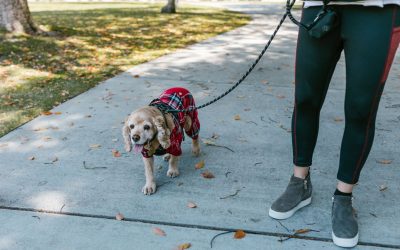
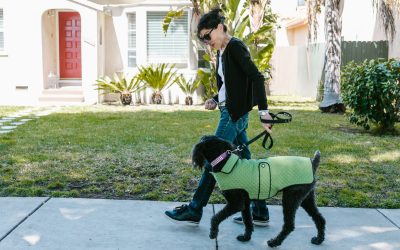
At Bull City Pet Care, one of the most common things we see is how dramatically many dogs benefit from consistent walks and enrichment, even when they already have access to a beautiful fenced yard!
A Backyard Is Not the Same as a Walk
Backyards serve an important purpose. They provide a convenient place for bathroom breaks and supervised outdoor time. But for most dogs, a yard alone does not fully meet their physical or mental needs.
Walks provide:
- Mental stimulation
- Exposure to new environments and smells
- Structured movement and exercise
- Routine and predictability
- Opportunities for enrichment and decompression
Dogs experience the world heavily through scent. On walks, they are constantly processing new smells and information, which provides significant mental stimulation.

Many Dogs Do Not Exercise Themselves in the Yard
One of the biggest misconceptions is that dogs will naturally run around and tire themselves out in a backyard.
In reality, many dogs simply:
- Go to the bathroom
- Patrol the fence line
- Sit by the door waiting to come back inside
Without interaction or novelty, yards can quickly become environmentally “stale” for dogs. Walks provide changing scenery, new scents, and more meaningful engagement.
This is especially important for intelligent or high-energy breeds, who often need both physical and mental outlets to prevent boredom-related behaviors.
Walks Support Better Behavior at Home
Consistent walks can help reduce:
- Excessive barking
- Restlessness
- Destructive behavior
- Attention-seeking behaviors
- Pent-up energy
Many behavioral issues stem from under-stimulation rather than “bad behavior.” Regular walks help dogs regulate energy levels and maintain healthier routines throughout the day.
This is particularly relevant for working professionals in Durham who may be away from home for long stretches during the day.
Walks Provide Valuable Human Interaction
Dogs are social animals, and predictable interaction during the day can help reduce stress and isolation, especially for:
- Puppies
- Senior dogs
- Dogs with separation anxiety
- Highly social breeds
At Bull City Pet Care, walks are designed not only around physical exercise, but also around each dog’s comfort level, personality, pace, and needs.

Durham’s Climate Makes Structured Walks Even More Important
North Carolina weather creates additional considerations that many owners underestimate. Durham summers can bring extreme pavement temperatures and humidity levels that make unsupervised outdoor time less effective—or even unsafe.
Professional dog walkers can help ensure:
- Walk timing is adjusted for heat
- Dogs stay hydrated
- Activity levels are monitored safely
This becomes especially important for:
- brachycephalic breeds (French Bulldogs, Pugs, Bulldogs)
- senior dogs
- dogs with medical conditions
Final Thoughts
A backyard can be a great supplement to a dog’s routine. But for most dogs, it should not be the only source of exercise and enrichment.
Walks provide:
- mental stimulation,
- structured activity,
- routine,
- engagement,
- and healthier behavioral outlets.
For many Durham dog owners, professional midday walks help bridge the gap between busy schedules and a dog’s daily needs.
We are here to help with that; schedule a meet-and-greet to learn more and get started!
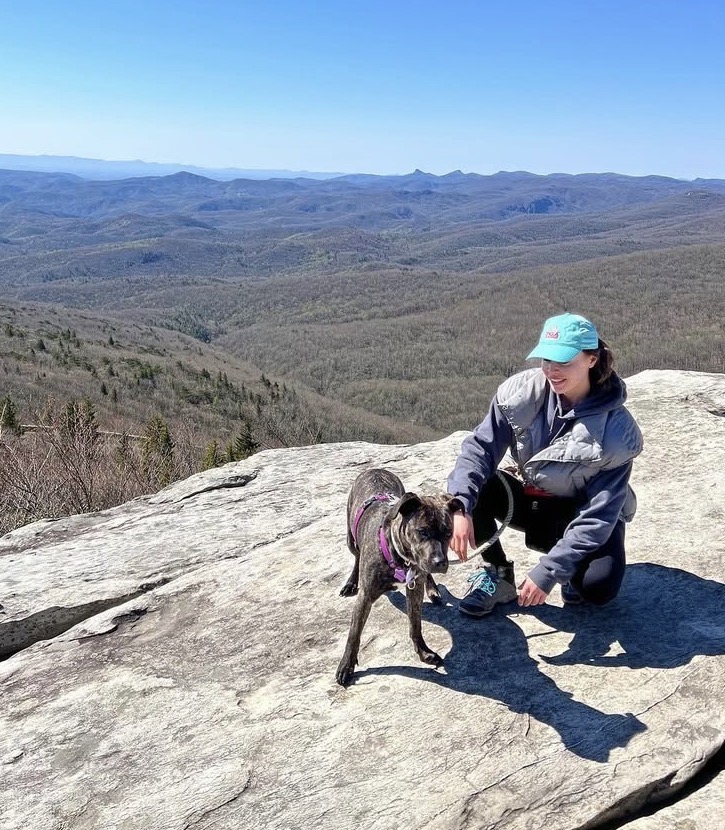
Annika Hugosson is a writer and marketing specialist with professional experience writing across various industries including sports, tattooing, veterinary medicine, and animal welfare. She has worked in soccer media, animal sheltering, and emergency veterinary medicine and presently manages a Durham tattoo shop, Ethereal Tattoo Gallery. Annika holds a Master of Science in anthrozoology (human–animal studies) and has completed additional graduate-level research focused on the human–animal bond. Her master’s research examined hyenas and the ways their portrayal in popular and scientific media shapes public perception and conservation outcomes. She has been published in academic journals and has presented at conferences on topics including pit bulls and gender, the usage of snakes’ skins in fashion, animal ethics in Harry Potter, and related issues at the intersection of culture, animals, and society. Outside of her professional work, Annika is interested in R+ dog training and has completed extensive group class training with her dog, Hawthorn, whom she adopted from the APS of Durham.