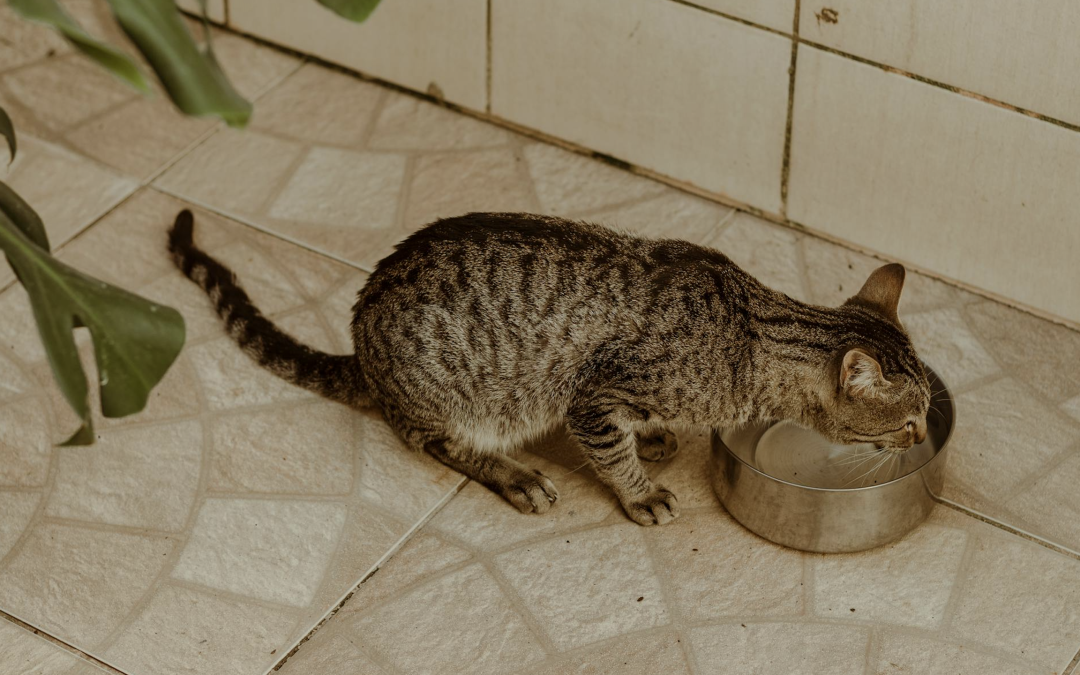
If you’ve ever reached into your pet’s water bowl and felt a slippery film along the inside, it’s not just mineral buildup. That slick coating is called biofilm, and it’s something many pet owners encounter without realizing what it is.
We recently shared a quick visual explainer about this on our Instagram page. If you enjoy learning practical pet care tips like this, you can follow Bull City Pet Care on Instagram for more educational content and behind-the-scenes insights into professional pet care.
While biofilm may seem harmless, it’s actually a living layer of microorganisms that can develop quickly in standing water. If bowls aren’t cleaned regularly, this buildup can affect both water quality and your pet’s health.
What Is Biofilm?
Biofilm is a sticky layer formed by bacteria and other microorganisms that attach to wet surfaces. Once microbes settle onto a surface like the inside of a water bowl, they multiply and produce a protective slime that allows them to stick together and resist simple rinsing.
In other words, that slippery film is essentially a microscopic community of bacteria growing on the bowl.
Biofilm can begin forming surprisingly fast. In standing water, a slimy bacterial layer can develop along the sides of a pet bowl within just a few hours.
Why Biofilm Forms in Pet Water Bowls
Pet bowls create ideal conditions for bacterial growth. Every time your dog or cat drinks, small amounts of saliva, food residue, and natural oral bacteria enter the water. Those microbes attach to the bowl surface and begin forming biofilm colonies.
Contamination levels in pet bowls can vary depending on factors such as bowl material, cleaning method, and the type of food the pet eats. Even if the water looks clean, though, bacteria can still be present and actively building biofilm along the sides of the bowl.
Why Biofilm Matters for Your Pet’s Health
Biofilm isn’t just weird and unpleasant to touch, it can also harbor harmful bacteria. Studies examining pet dishes have identified bacteria such as E. coli, Salmonella, and MRSA in contaminated bowls. These microbes can potentially contribute to health issues for both pets and people, especially in households with immunocompromised individuals.
Potential effects of contaminated bowls may include:
- Digestive upset
- Skin irritation around the mouth
- Bad breath or oral bacteria buildup
- Reduced willingness to drink if water tastes stale
Pet food and water bowls are often overlooked hygiene spots in the home—some analyses even rank them among the germiest items in the household when not cleaned regularly!
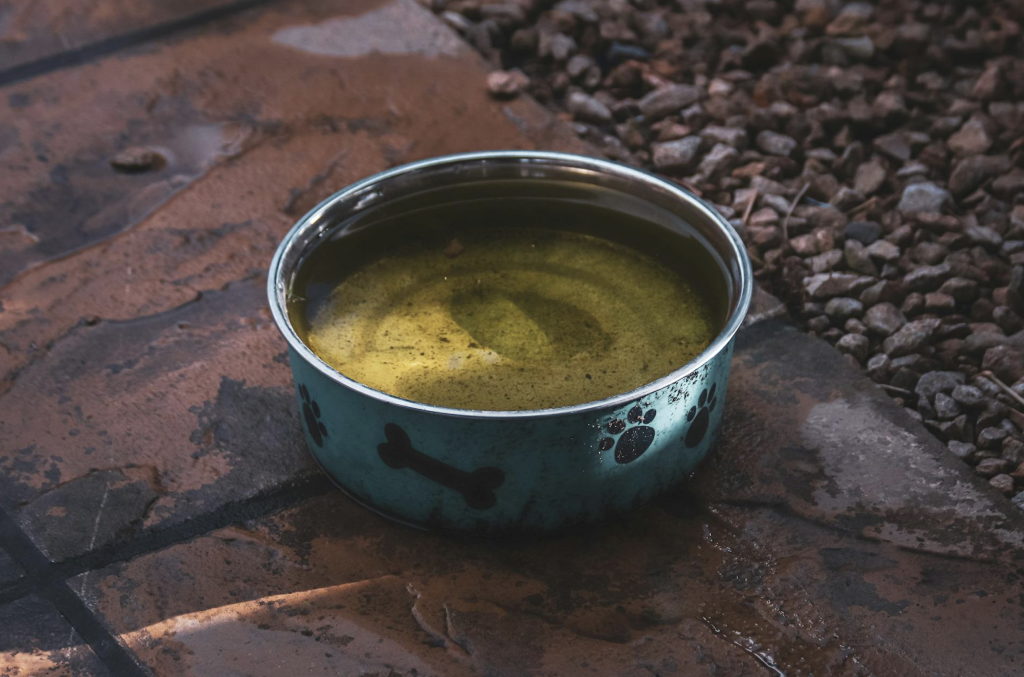
Why Biofilm Builds Faster in Warm Weather
Biofilm can develop year-round, but warm weather tends to accelerate the process. Bacteria multiply more quickly in warm temperatures, and standing water becomes a more favorable environment for microbial growth.
Outdoor bowls also collect additional contaminants such as pollen, dust, insects, and soil bacteria. In Durham’s hot, humid summers, these conditions can make biofilm form even faster, especially in outdoor bowls or bowls left out all day.
Dogs also tend to drink more frequently after outdoor activity during warmer months, introducing more saliva and bacteria into the bowl throughout the day. Because of this, water bowls may need more frequent cleaning in late spring and summer.
How Often Should Pet Bowls Be Cleaned?
Veterinary guidance generally recommends washing pet bowls daily to prevent bacterial buildup.
For best hygiene:
- Wash bowls with hot water and dish soap
- Scrub all surfaces thoroughly
- Rinse completely before refilling
- Replace water with fresh water daily
Using a dishwasher periodically can also reduce bacterial contamination compared with simple rinsing. Outdoor bowls may need to be rinsed and refilled more than once per day during warmer months.
Choosing the Right Bowl Material
The material of your pet’s bowl can also affect bacterial buildup.
Plastic bowls often accumulate more bacteria because scratches can trap microbes and make cleaning less effective. If plastic bowls become scratched or worn, replacing them can help reduce microbial growth.
Stainless steel and ceramic bowls are typically easier to sanitize and more resistant to bacterial buildup when properly maintained.
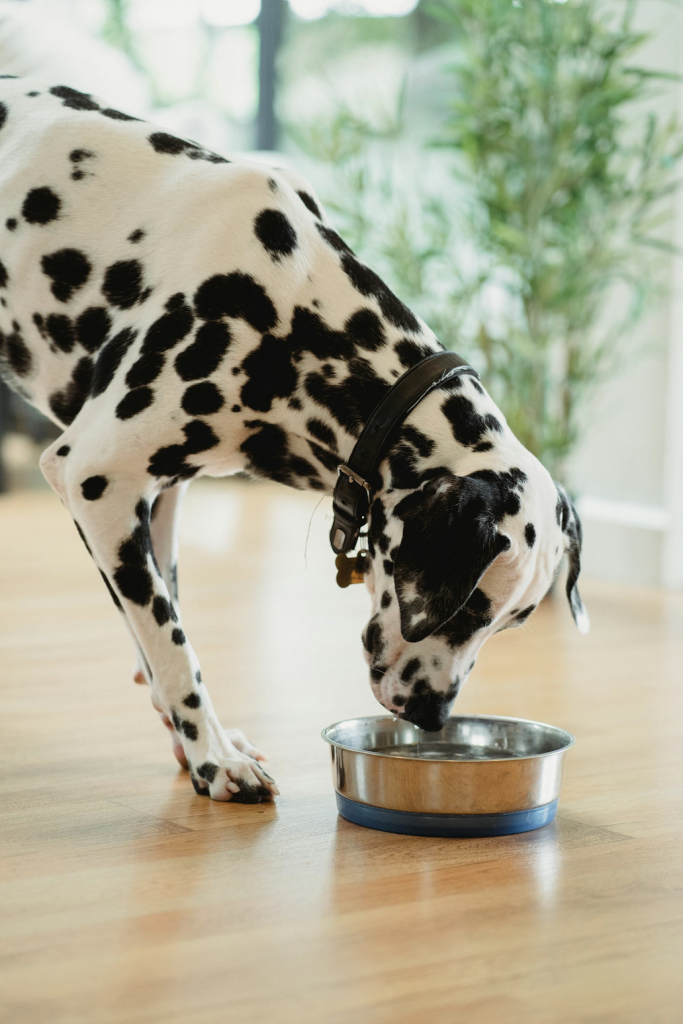
A Small Habit That Makes a Big Difference
Cleaning your pet’s water bowl may seem like a minor detail, but it plays an important role in your pet’s daily health.
Fresh water supports hydration, digestion, kidney function, and temperature regulation. Ensuring that water stays clean—not just full—helps reduce unnecessary exposure to bacteria.
At Bull City Pet Care, we pay close attention to these small details during every visit. Refreshing water bowls, checking feeding areas, and maintaining clean dishes are simple steps that contribute to a healthier, happier pet.
And if you enjoy learning practical pet care tips like this, be sure to follow Bull City Pet Care on Instagram, where we regularly share quick educational posts and insights from our daily work caring for pets across Durham!
Annika Hugosson is a writer and marketing specialist with professional experience writing across various industries including sports, tattooing, veterinary medicine, and animal welfare. She has worked in soccer media, animal sheltering, and emergency veterinary medicine and presently manages a Durham tattoo shop, Ethereal Tattoo Gallery. Annika holds a Master of Science in anthrozoology (human–animal studies) and has completed additional graduate-level research focused on the human–animal bond. Her master’s research examined hyenas and the ways their portrayal in popular and scientific media shapes public perception and conservation outcomes. She has been published in academic journals and has presented at conferences on topics including pit bulls and gender, the usage of snakes’ skins in fashion, animal ethics in Harry Potter, and related issues at the intersection of culture, animals, and society. Outside of her professional work, Annika is interested in R+ dog training and has completed extensive group class training with her dog, Hawthorn, whom she adopted from the APS of Durham.