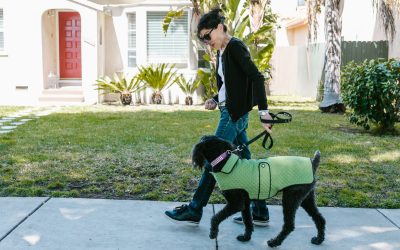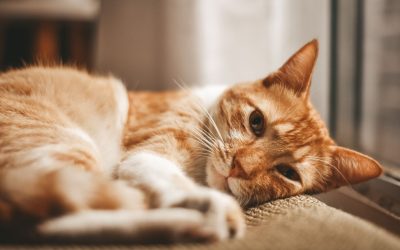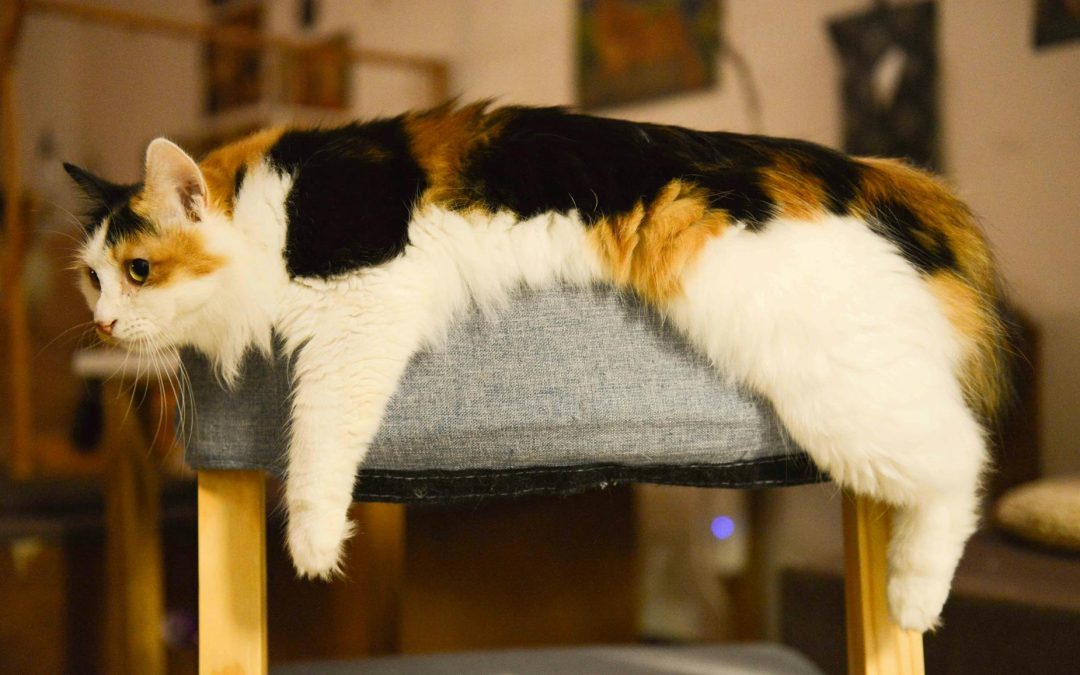
“Low maintenance” is probably the most common thing people say about cats. And compared to dogs, there’s some truth to it—cats don’t need to be walked, they don’t need constant supervision, and most of them are perfectly content to spend long stretches of the day napping in a patch of sunlight (12–16 hours a day…must be nice!).
But “low maintenance” is relative. And it gets misapplied in ways that don’t actually serve cats well, particularly when owners are away for extended periods.
What Cats Don’t Need (That Dogs Do)
The ways cats are lower maintenance than dogs are real and worth acknowledging.
Cats don’t need to go outside to use the bathroom. They don’t need multiple walks per day. They’re not prone to the kind of separation anxiety that leads to destructive behavior when left alone for several hours. They won’t bark loud enough to disturb your neighbors. Most adult cats handle a standard 8–9 hour workday without any distress, provided their basic needs are met.
That’s a meaningful distinction. A dog left alone for eight hours without a midday break often struggles. A healthy adult cat, in most cases, does not.
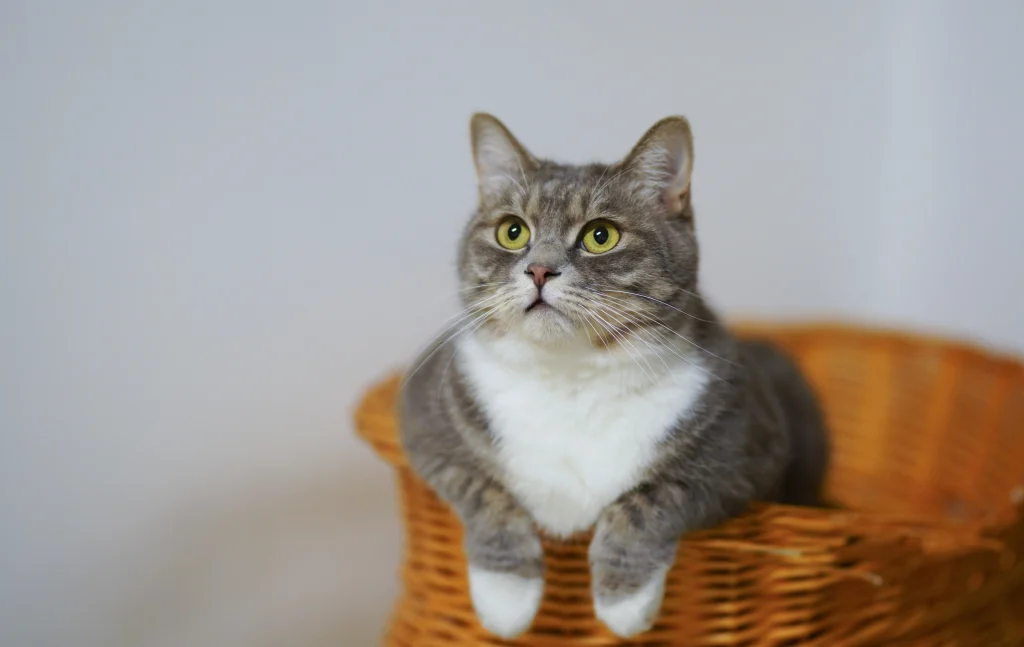
Where “Low Maintenance” Gets Misapplied
The most common place the label goes wrong is travel.
Many cat owners assume that because their cat does fine during a workday, they will also do fine while they’re gone for several days—especially with an automatic feeder and a self-cleaning litter box in place. The logic makes sense on the surface, but it misunderstands what cats actually need.
Food and water monitoring. An automatic feeder can malfunction. A water bowl can tip or run dry. A cat who isn’t eating normally is a cat who needs medical attention. Changes in appetite are often the first indicator of illness, and no automated system can catch that.
Litter box hygiene. Cats are fastidious about their litter boxes. A box that goes uncleaned for two or three days isn’t just unpleasant—it can cause a cat to stop using it altogether, which leads to accidents and stress. Self-cleaning boxes can and do jam.
Health observation. Cats are remarkably good at hiding discomfort. Conditions like urinary blockages, dehydration, or gastrointestinal issues can escalate quickly, and the early signs are easy to miss. Daily check-ins create a baseline. Without them, a problem that was subtle on day one may be a crisis by day three.
The environment itself. Things happen: a window gets stuck open, something falls and blocks a doorway, the air conditioning goes out. Daily visits catch these things.
Professional pet sitters and veterinarians generally recommend a minimum of one visit per day for cats left at home, and twice-daily visits for cats with medical needs, kittens, senior cats, or multi-cat households where dynamics require closer monitoring.
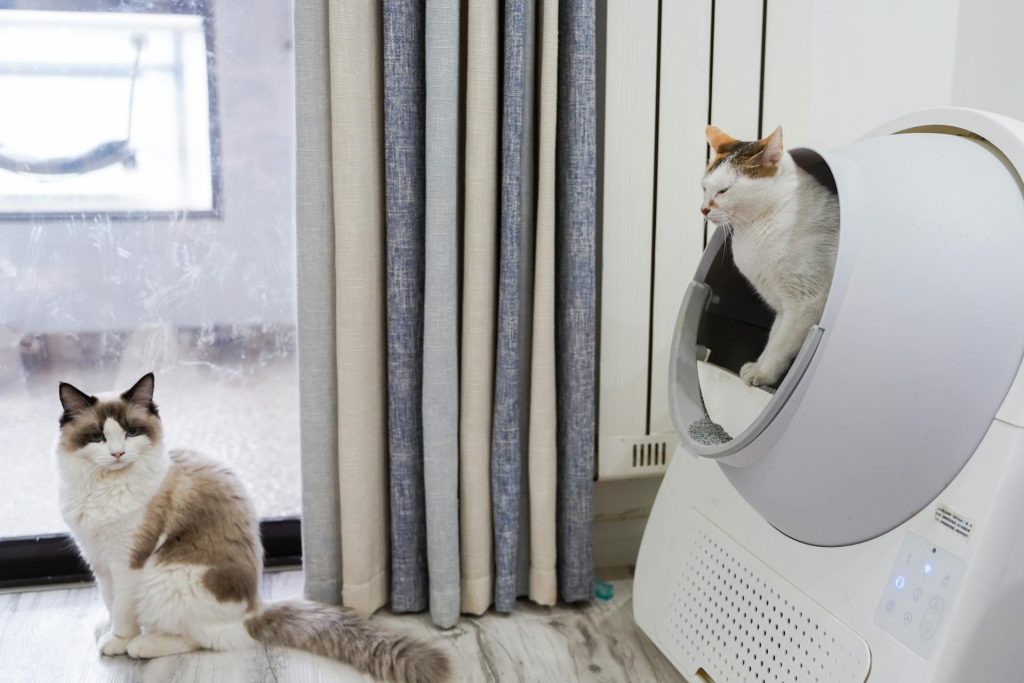
“Independent” does not mean self-sufficient
Cats are genuinely more independent than dogs. They are not, however, self-sufficient.
Even cats who seem indifferent to their owners—the ones who ignore you when you come home, sleep through your entire evening, hide from the pet sitter, and act vaguely inconvenienced by your presence—still rely on routine and a stable environment! Disruption to that routine, including extended time alone, can manifest as stress behaviors: over-grooming, changes in appetite, increased hiding, or litter box avoidance.
The cat who seems completely unbothered is often the one whose needs are being consistently met. That consistency doesn’t happen on its own.
What “Low Maintenance” Should Actually Mean
For most cat owners, “low maintenance” reasonably means:
- Cats don’t need walks
- They handle the workday alone without issue
- They don’t require the constant attention a dog does
- They’re a good fit for people with busy schedules
What it doesn’t mean:
- Cats can be left alone for multiple days without daily care
- Automated feeders replace the need for human check-ins
- Changes in behavior or health will be obvious without someone looking
Cats fit comfortably into busy Durham lifestyles—long work hours, travel, demanding schedules. They’re a genuinely good choice for people who can’t commit to a dog’s daily care requirements. But “low maintenance” works best as a description of their day-to-day needs, not a reason to skip professional care when you travel.
If you’re planning a trip and need reliable in-home care for your cat in Durham, Bull City Pet Care offers vacation pet sitting that keeps your cat in their own environment with daily visits, feeding, litter care, and health monitoring while you’re away. Contact us to talk through a care plan!

Annika Hugosson is a writer and marketing specialist with professional experience writing across various industries including sports, tattooing, veterinary medicine, and animal welfare. She has worked in soccer media, animal sheltering, and emergency veterinary medicine and presently manages a Durham tattoo shop, Ethereal Tattoo Gallery. Annika holds a Master of Science in anthrozoology (human–animal studies) and has completed additional graduate-level research focused on the human–animal bond. Her master’s research examined hyenas and the ways their portrayal in popular and scientific media shapes public perception and conservation outcomes. She has been published in academic journals and has presented at conferences on topics including pit bulls and gender, the usage of snakes’ skins in fashion, animal ethics in Harry Potter, and related issues at the intersection of culture, animals, and society. Outside of her professional work, Annika is interested in R+ dog training and has completed extensive group class training with her dog, Hawthorn, whom she adopted from the APS of Durham.