Most cat owners have wondered about this at some point — usually right after closing the front door. You picture your cat stretched out on the couch, unbothered (and that’s probably mostly accurate!). But the full picture is a little more interesting than that, and more relevant to their wellbeing than the standard “cats are fine on their own” assumption tends to acknowledge.
Mostly, They Sleep — A Lot
A typical house cat sleeps between 12 and 16 hours a day. This comes down to biology. Cats evolved as both predators and prey, and conserving energy between hunting bouts is deeply wired into their physiology. Cats in the wild spend roughly 80% of their time sleeping, and domestic cats carry that same programming regardless of whether their next meal requires any effort at all.
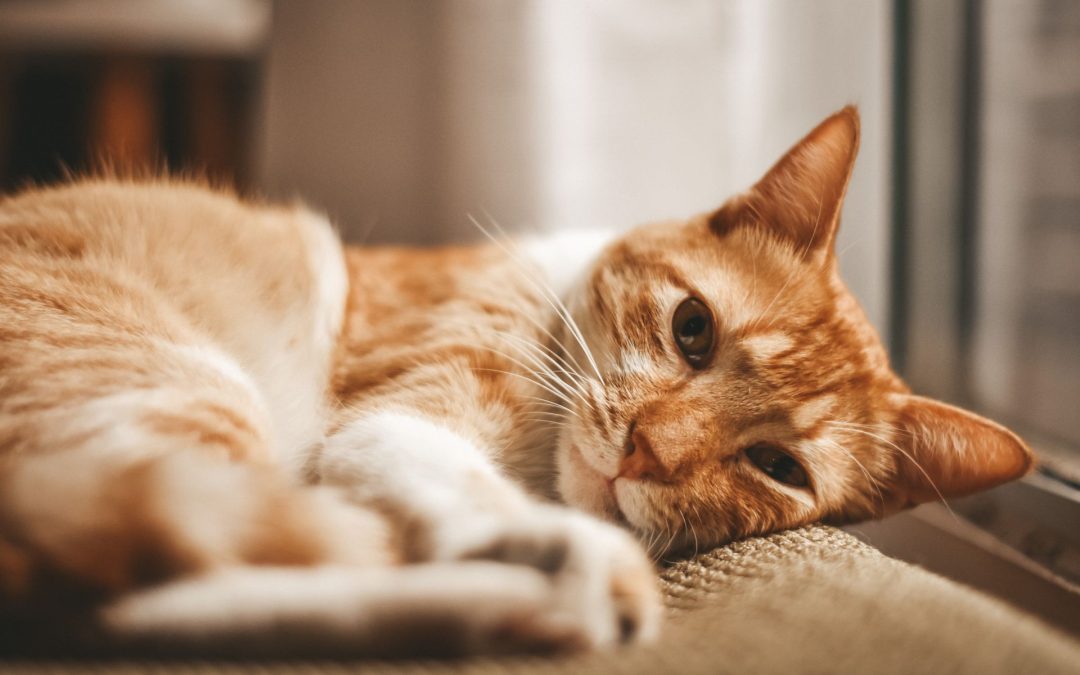
When you leave for work, your cat likely relocates to wherever is warmest — a sunny windowsill, a spot on your bed, a basket of clean laundry — and settles in. Animal behaviorist Dr. David Spiegel, writing in Catwatch Newsletter, notes that “when they have nothing to do, they do nothing,” and that cats are generally content to eat, groom, and nap in a quiet house. For many cats, that’s a perfectly acceptable day. That said, “mostly fine” and “completely unaffected” are two different things.
They Notice Your Absence More Than You’d Expect
The popular image of the cat who couldn’t care less whether you’re home turns out to be somewhat overstated. A study published in PLOS ONE found that cats interact more intensely with their owners at reunion after longer periods of separation — purring more and initiating more social contact — suggesting that the duration of absence genuinely registers. The researchers noted that the common assumption about cats coping well alone deserves more careful evaluation, and that the social role of humans in cats’ lives warrants greater scientific attention.
This doesn’t mean your cat is sitting by the door counting the minutes. But the bond between cats and their people is more meaningful than the “independent pet” label gives it credit for!
When They Are Awake, They Follow a Predictable Cycle
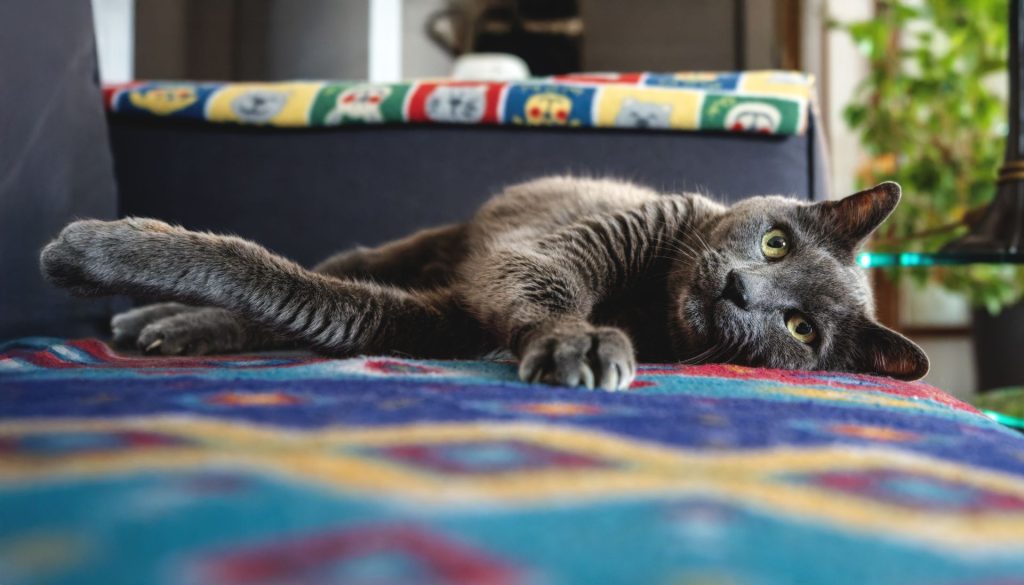
Cats are crepuscular — meaning their natural energy peaks at dawn and dusk, not in the middle of a workday. The San Diego Humane Society describes the cat activity cycle as play, catch, eat, groom, sleep, repeat — an instinctive routine driven by their internal clock, similar to how a human circadian rhythm influences sleeping and eating patterns.
When they are awake and moving around the house, cats typically patrol their territory (checking that nothing has changed room to room), look out windows, groom, and engage with whatever enrichment is available. Domestic cats explore their environment to discover new things, satisfy hunting instincts, and keep their minds and bodies active — which is why you sometimes come home to a toy moved across the room or something knocked off a shelf. A cat doing that is just following its instincts, not acting out.
Some Cats Struggle More Than Others
Most cats handle a standard workday without significant distress. But a meaningful subset don’t, and the signs are easy to misread. According to an NIH report on feline behavior, anecdotal evidence suggests that 13–19% of cats may exhibit signs of distress when left alone — including vocalizing, destructive scratching, knocking over objects, inappropriate urination, excessive grooming, or appearing withdrawn. Cats with separation anxiety typically act out within the first twenty minutes after you leave.
A separate study found that among cats showing separation-related issues, 67% displayed destructive behavior, 63% excessive vocalization, and 60% urinated outside the litter box — and cats living without other animals were significantly more likely to develop these problems. Single-cat households carry a higher risk of stress-related behavior during owner absences. The ASPCA’s guidance on feline separation anxiety points to enrichment, routine, and regular human contact as the most effective tools — more interaction and predictability tend to matter more than adding toys.
Where Extended Absences Become a Real Factor
A regular 8-to-9 hour workday is generally manageable for most adult cats, provided their basics are covered — fresh water, a clean litter box, and some environmental enrichment. Longer or repeated absences are a different matter.
Veterinary behaviorist Mikel Delgado notes that cats are deeply sensitive to changes in routine, and that extended absences can lead to stress, anxiety, or behavioral problems. A weekend trip where a cat goes 36 or 48 hours without human contact reads very differently to a cat than a standard workday, even with an automatic feeder running. Having someone come to your home — a vacation pet sitter who visits once or twice daily — keeps your cat’s routine intact and provides the kind of human interaction that an empty house simply can’t replicate.
The Practical Takeaway
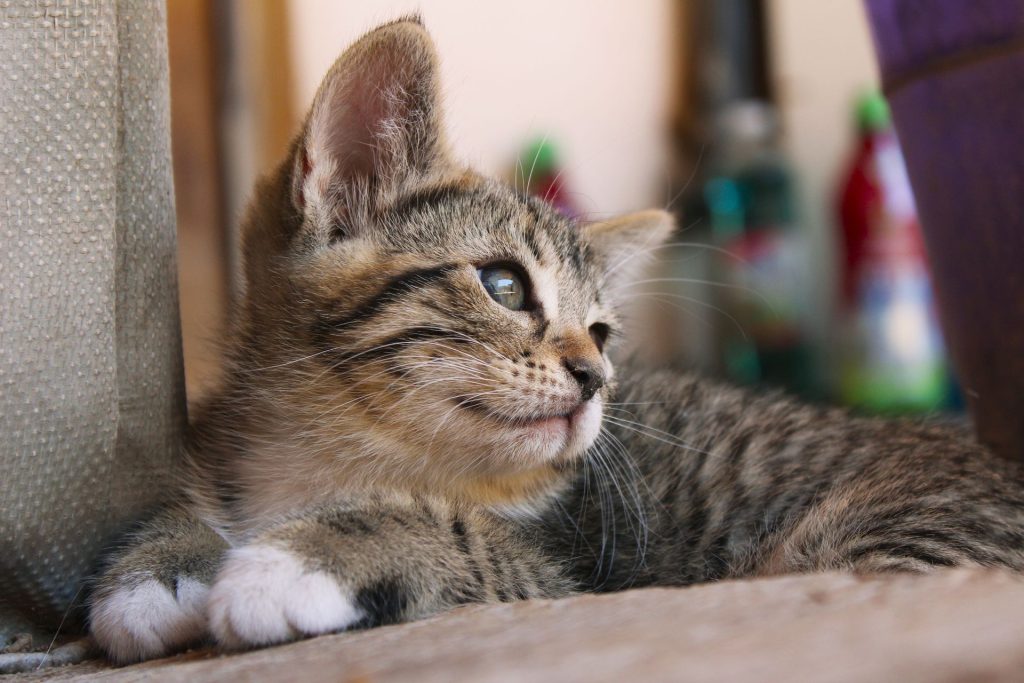
Your cat is probably doing fine while you’re at work, or even on vacation! They’re sleeping somewhere warm, doing a patrol or two, watching whatever’s moving outside the window, and waiting for you to get home — at which point, if the research holds, they’re genuinely glad you’re back, even if they show it more subtly than a dog would.
Where things get more complicated is with longer absences, single-pet households, and cats showing even mild stress indicators. If you’ve noticed changes in litter box habits, more vocalization than usual, or excessive grooming, extended alone time is worth looking at as a contributing factor — and a conversation with your vet is a reasonable next step. If you’re planning a trip and want your cat to have consistent company and a familiar routine, Bull City Pet Care serves the Durham area and can walk you through what in-home visits look like.
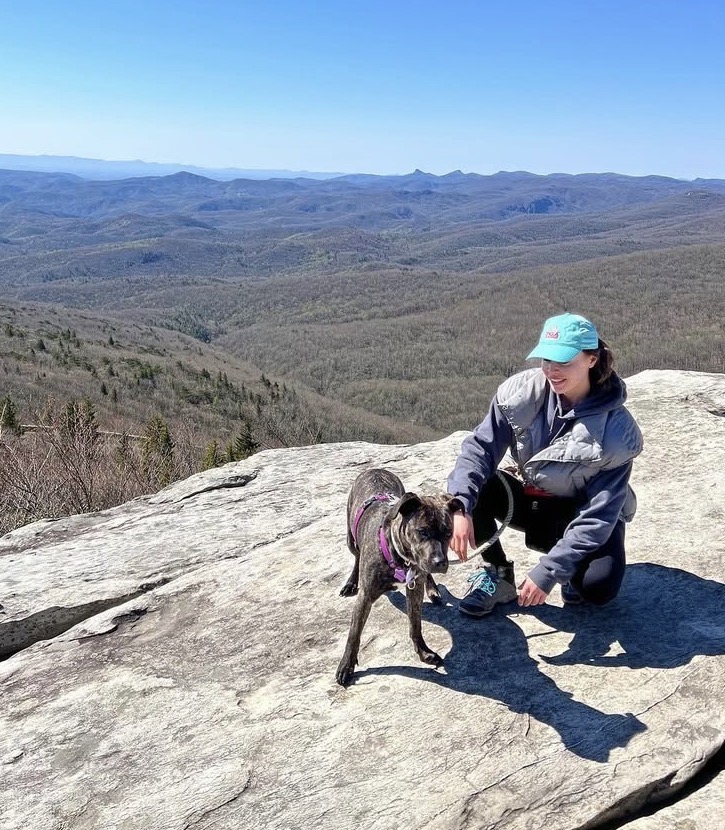
Annika Hugosson is a writer and marketing specialist with professional experience writing across various industries including sports, tattooing, veterinary medicine, and animal welfare. She has worked in soccer media, animal sheltering, and emergency veterinary medicine and presently manages a Durham tattoo shop, Ethereal Tattoo Gallery. Annika holds a Master of Science in anthrozoology (human–animal studies) and has completed additional graduate-level research focused on the human–animal bond. Her master’s research examined hyenas and the ways their portrayal in popular and scientific media shapes public perception and conservation outcomes. She has been published in academic journals and has presented at conferences on topics including pit bulls and gender, the usage of snakes’ skins in fashion, animal ethics in Harry Potter, and related issues at the intersection of culture, animals, and society. Outside of her professional work, Annika is interested in R+ dog training and has completed extensive group class training with her dog, Hawthorn, whom she adopted from the APS of Durham.