When people travel, many assume the best option for their cat is boarding. While boarding facilities can work in some situations, they are not always the best fit for many cats. Cats are territorial animals whose sense of safety depends heavily on their environment and routine.
Cats rely on stable territory, predictable routines, and access to familiar resources to feel secure. Disruptions to those elements can trigger stress responses and behavioral changes.
Because of this, many veterinarians and feline behavior specialists recommend keeping cats in their home environment whenever possible. Professional in-home cat sitting allows cats to remain in the place where they already feel safest: their own homes!
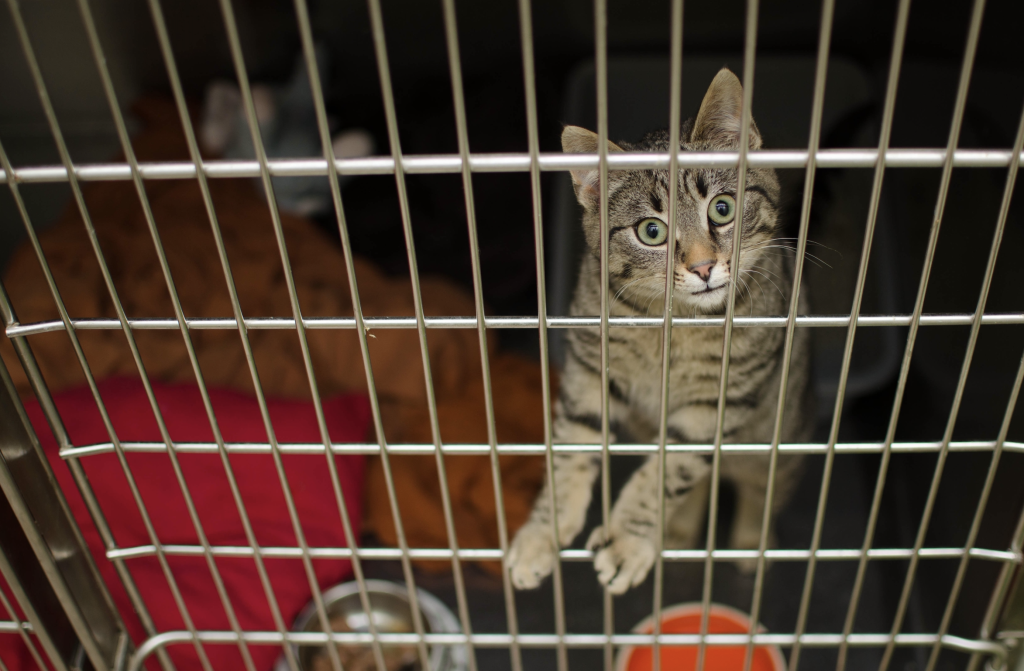
Cats Feel Safer in Their Own Territory
Cats organize their lives around territory. Their home contains familiar scent markers, feeding locations, litter areas, and sleeping spots that help them feel secure. Removing a cat from that environment, even temporarily, can create anxiety because it removes those familiar cues. Disturbances to a cat’s territory can trigger stress responses and defensive behaviors.
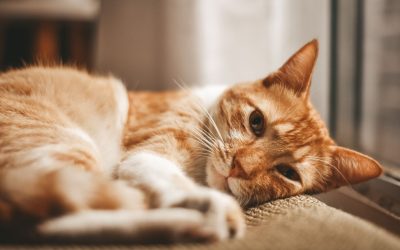
When cats stay home, very little about their world changes. Their litter box is in the same place, their feeding area remains familiar, and they still have access to their usual resting spots. This environmental stability helps many cats remain calm even while their owners are away.
Less Stress Means Fewer Health and Behavior Problems
Stress in cats does not only affect mood—it can also affect physical health. Cats may stop eating, experience digestive issues, or display changes in grooming or litter box behavior when stressed. Boarding facilities can also expose cats to unfamiliar animals and environments, which may increase anxiety and, in some cases, the risk of contagious illnesses such as feline upper respiratory infections. Keeping a cat in their home environment often reduces these risks by maintaining familiar surroundings and minimizing exposure to other animals. Note: this is especially key for very young, old, or otherwise immunocompromised kitties who are already more susceptible to contracting contagious illnesses. Stress can exacerbate that risk further.
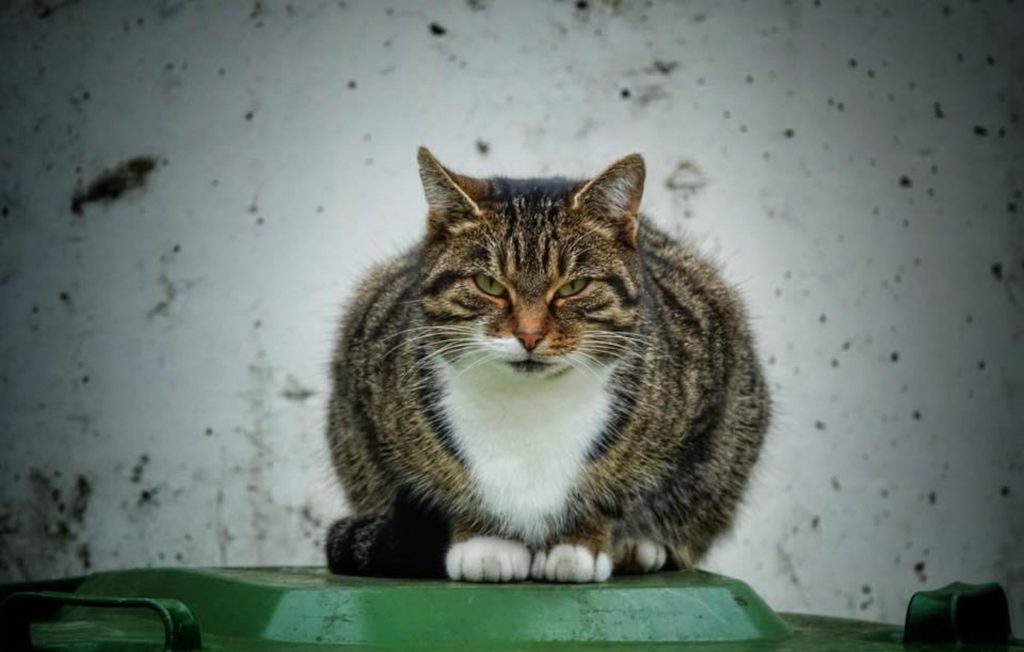
Routine and Health Monitoring Are Easier at Home
Cats are highly sensitive to routine. Feeding times, play sessions, and litter box maintenance all contribute to their sense of security. In-home cat sitting allows a caregiver to maintain the routines your cat already knows. Meals happen on schedule, litter boxes remain in familiar locations, and cats can interact with the sitter at their own pace. If a cat wants to hide from one of our sitters, we won’t go looking for them to force an interaction; we always allow the cat to dictate the interaction and feel safe.
This environment also allows sitters to monitor important indicators of feline health, including appetite, litter box activity, hydration, and behavior. Because visits happen in a calm and familiar setting, administering medications or special diets is often easier as well.
Why Many Durham Cat Owners Choose In-Home Care
For many households, in-home cat sitting turns out to be the most practical and humane option. Cats remain in their territory, maintain their routine, and receive individualized attention without the stress of transportation or boarding facilities.
At Bull City Pet Care, we provide professional in-home cat sitting for families throughout Durham. Our visits allow cats to stay comfortable in their own homes while still receiving the care, monitoring, and enrichment they need.
For many cats, staying home simply means staying relaxed. That means that you, too, can relax knowing your cat is comfortable at home!
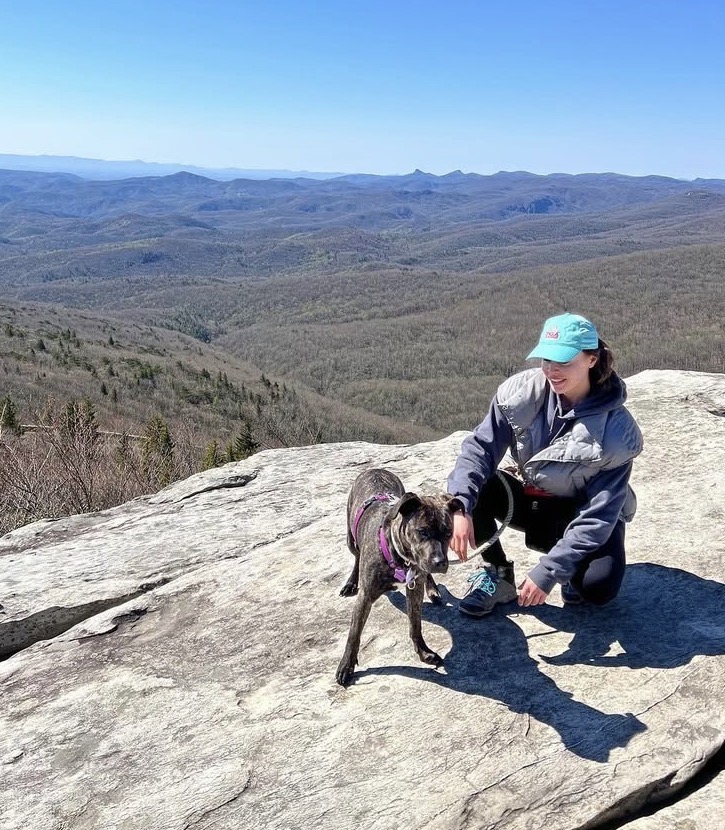
Annika Hugosson is a writer and marketing specialist with professional experience writing across various industries including sports, tattooing, veterinary medicine, and animal welfare. She has worked in soccer media, animal sheltering, and emergency veterinary medicine and presently manages a Durham tattoo shop, Ethereal Tattoo Gallery. Annika holds a Master of Science in anthrozoology (human–animal studies) and has completed additional graduate-level research focused on the human–animal bond. Her master’s research examined hyenas and the ways their portrayal in popular and scientific media shapes public perception and conservation outcomes. She has been published in academic journals and has presented at conferences on topics including pit bulls and gender, the usage of snakes’ skins in fashion, animal ethics in Harry Potter, and related issues at the intersection of culture, animals, and society. Outside of her professional work, Annika is interested in R+ dog training and has completed extensive group class training with her dog, Hawthorn, whom she adopted from the APS of Durham.