
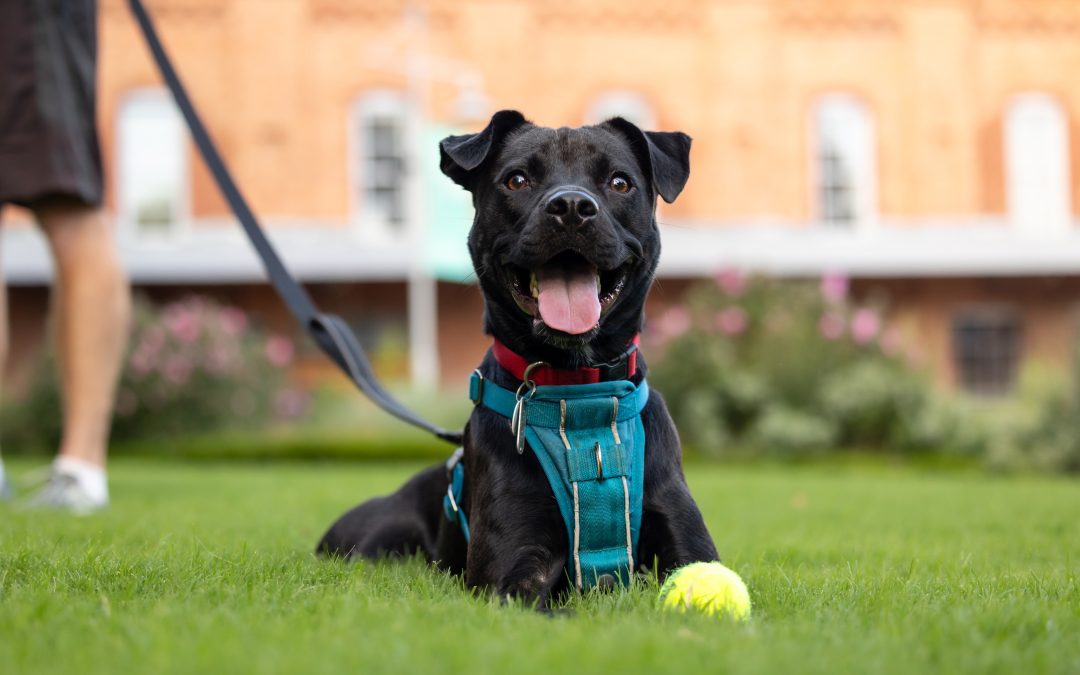
Spring arrives early in Durham and brings beautiful blossoms…and a surge in pollen that affects pets as well as people (we’re sure many readers can personally relate). While daily walks are essential for a dog’s physical and mental health, in spring, they also mean more frequent encounters with allergy triggers. Dogs are exposed to airborne allergens like tree, grass, and weed pollen every time they go outside, especially during walks and playtime. In many dogs, this triggers seasonal allergic reactions.
Similarly to humans, seasonal allergies occur when a dog’s immune system overreacts to harmless environmental particles like pollen. Trees, grasses, and flowering plants begin releasing pollen in late winter and early spring in North Carolina, with tree pollen peaking first followed by grass pollen as the season progresses.
Dogs typically absorb pollen:
- Through their skin and paws
- By inhaling small particles
- When licking their fur after outdoor activity
Common Signs of Spring Allergies in Dogs
Unlike humans, dogs often show skin-related symptoms rather than classic sneeze-and-runny-nose reactions. Look for:
Excessive Paw Licking or Chewing
Persistent licking, biting, or chewing at paws and legs is a hallmark of environmental allergies.
Itchy, Red, or Inflamed Skin
Allergens can cause irritation, particularly on the belly, paws, ears, and groin. Continuous scratching can lead to redness or even hot spots (painful, raw patches).
Ear Scratching and Head Shaking
Allergy-related irritation often affects the ears and can contribute to infections if untreated.
Watery Eyes
Some dogs show mild eye discharge or irritation from pollen exposure.
Tips to Reduce Allergy Discomfort
Wipe Down After Walks
Use a damp cloth to clean paws, belly, and legs to remove pollen that collects outdoors.
Adjust Walk Timing
Pollen counts are typically highest in the morning and midday, so choose later or early-evening walk times on high pollen days when possible.
Keep Bedding Clean
Wash your dog’s bedding frequently to reduce pollen buildup indoors.
Consult a Vet for Persistent Symptoms
If irritation doesn’t improve with simple care, a veterinarian can recommend treatments such as antihistamines, medicated shampoos, or other interventions tailored to your dog’s needs.
Veterinary evaluation is recommended if you notice:
- Persistent itchy skin lasting more than a few days
- Signs of infection (swelling, discharge, odor, open sores)
- Behavioral changes such as lethargy or loss of appetite
Spring in Durham is a wonderful time to enjoy the outdoors—but it’s also when dogs may start showing discomfort due to seasonal allergens. Recognizing the signs and taking small, consistent steps to limit exposure can help your pup stay comfortable and active as the season warms.
The Best Dog Walkers in Durham
Join the Bull City Pet Care family by contacting us via hello@bullcitypetcare.com or 919-740-7481. We offer dog walking, cat sitting, and specialty services. You can also get started by clicking this link to schedule your meet and greet.
We proudly serve the following areas of Durham: Downtown, Lakewood, Tuscaloosa, Old West Durham, Old North Durham, Northgate Park, Watts-Hillandale, Trinity Park, Duke Park, Erwin/LaSalle, North Durham, Southside, Croasdaile, Walltown, Braggtown, Historic East Durham, Hope Valley, and Forest Hills.
If you are seeking pet care services outside of the above areas, please visit Pet Sitters International or Pet Sitters Associates to find a professional pet sitter near you.
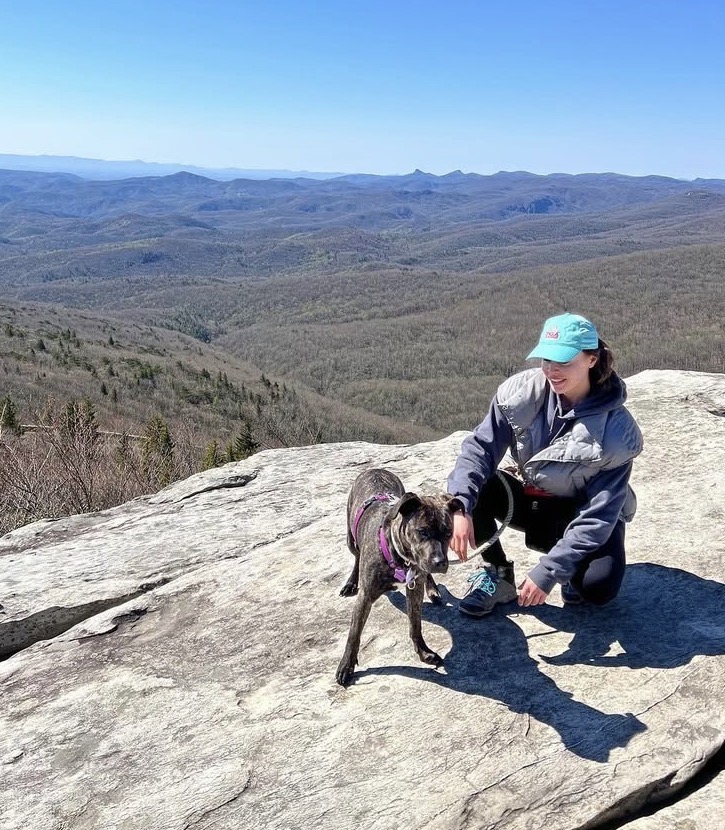
Annika Hugosson is a writer and marketing specialist with professional experience writing across various industries including sports, tattooing, veterinary medicine, and animal welfare. She has worked in soccer media, animal sheltering, and emergency veterinary medicine and presently manages a Durham tattoo shop, Ethereal Tattoo Gallery. Annika holds a Master of Science in anthrozoology (human–animal studies) and has completed additional graduate-level research focused on the human–animal bond. Her master’s research examined hyenas and the ways their portrayal in popular and scientific media shapes public perception and conservation outcomes. She has been published in academic journals and has presented at conferences on topics including pit bulls and gender, the usage of snakes’ skins in fashion, animal ethics in Harry Potter, and related issues at the intersection of culture, animals, and society. Outside of her professional work, Annika is interested in R+ dog training and has completed extensive group class training with her dog, Hawthorn, whom she adopted from the APS of Durham.


